
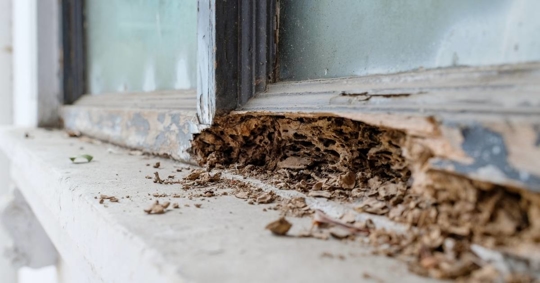
Spring brings blooming flowers and warmer weather to Texas, but it also marks the beginning of prime termite season. When temperatures rise, these destructive pests become more active, and by the time you notice visible damage, they may have already been silently eating away at your home's structure for months. That's why scheduling a professional inspection before spring arrives can save you thousands of dollars in repairs and give you peace of mind.
Don't wait until it's too late. If you've noticed any warning signs around your home, contact BUGCO® Pest Control today through our online contact form or call (281) 801-6774 to schedule your inspection.
Why Spring Is Peak Termite Season in Texas
Texas homeowners face a unique challenge when it comes to termites. Our warm, humid climate creates ideal conditions for these pests to thrive year-round, but spring is when they become especially active. As soil temperatures warm up and spring rains increase moisture levels, termite colonies send out swarmers—winged reproductive termites—to establish new colonies. This seasonal activity means that existing infestations can expand rapidly, and new ones can take root in vulnerable homes. Getting ahead of this seasonal surge with an early inspection puts you in the best position to protect your property.
Mud Tubes Along Your Foundation or Walls
One of the most telltale signs of termite activity is the presence of mud tubes. Subterranean termites, the most common type in Houston, Austin, Dallas, and San Antonio, build these narrow tunnels to travel between their underground colonies and the wood in your home. The tubes protect them from open air and predators while they transport food back to the colony.
Check these common locations for mud tubes:
- Foundation walls, both inside and outside
- Crawl spaces and basement areas
- Where your home's siding meets the foundation
- Around plumbing penetrations and utility entry points
- Along support beams and floor joists
These tubes are usually about the width of a pencil and have a muddy, textured appearance. Even if you knock them down and they rebuild within a few days, that's a clear indication of active termite presence. Any discovery of mud tubes warrants an immediate professional inspection to assess the extent of the infestation.
Hollow-Sounding Wood or Visible Damage
Termites consume wood from the inside out, which means the damage often isn't visible on the surface until it's already extensive. If you tap on wooden beams, door frames, or window sills and hear a hollow sound, that's a red flag. The wood may also feel lighter than it should or appear visibly damaged with a honeycomb-like pattern beneath the surface.
Pay special attention to areas where wood contacts soil or where moisture tends to accumulate. Termites are drawn to damp wood, making areas around leaky pipes, poorly ventilated crawl spaces, and water-damaged walls particularly vulnerable. If you notice any wood damage or suspect structural weakness, it's time to call in the experts for a thorough evaluation.
Discarded Wings Near Windows and Doors
After a termite swarm, you'll often find piles of discarded wings near windowsills, doors, or light fixtures. When reproductive termites, called swarmers, find a suitable location to start a new colony, they shed their wings because they no longer need them. These tiny, translucent wings are usually all the same size and may accumulate in small piles.
Swarming typically happens in spring, but it can occur year-round in Texas due to our mild winters. If you spot these wings inside your home, it means termites have likely already established a presence. Even if you find them outside near your home's perimeter, it indicates termite activity in the area and your property could be at risk. A professional inspection can determine whether they've infiltrated your home's structure.
Buckling or Blistering Floors and Ceilings
When termites damage the subfloor or wooden supports beneath your flooring, you may notice buckling, sagging, or areas that feel spongy when you walk on them. Similarly, ceiling damage can appear as blistering, sagging, or discoloration. These structural changes happen because the wood supporting these surfaces has been compromised from within.
This type of damage is often mistaken for water damage, and in some cases, both issues may be present since termites are attracted to moisture-damaged wood. Either way, these signs indicate serious structural concerns that need immediate attention. Waiting until spring to address these issues could allow the problem to worsen significantly, leading to more extensive and expensive repairs.
Paint That's Cracking or Bubbling
Unexplained paint damage can signal termite activity beneath the surface. As termites tunnel through wood and bring moisture into the structure through their mud tubes, the paint above may begin to crack, bubble, or peel. This occurs because the moisture and air pockets created by termite galleries cause the paint to lose adhesion.
While paint problems can have many causes, when they appear alongside other warning signs, termites are often the culprit. This is especially true if the paint damage is occurring on wooden surfaces rather than drywall, or if you notice it in multiple locations throughout your home. Before you simply repaint, have a professional rule out termite activity to ensure you're not just covering up a deeper problem.
Increased Presence of Other Pests
Termite activity can sometimes attract other pests to your home. Carpenter ants, for example, are often drawn to the same moist, damaged wood that termites create. If you've noticed an uptick in ant activity or other wood-boring insects, it could indicate that your home has conditions favorable to termites as well.
Additionally, if you've recently treated your home for other pests through general pest control services but are still noticing unexplained structural issues or wood damage, termites could be the hidden cause. A comprehensive inspection will help identify all pest-related threats to your property.
Warped Doors and Tight-Fitting Windows
When doors become difficult to open or windows stick in their frames, most people assume it's just settling or humidity. While these factors can contribute to the problem, termite damage to the wooden frames can also cause these issues. As termites hollow out door and window frames, the wood loses its structural integrity and begins to warp or shift.
This is particularly concerning because doors and windows are critical components of your home's security and energy efficiency. If you're struggling with doors or windows that won't close properly, especially if the problem has developed recently or worsened over a short period, a termite inspection should be on your to-do list before spring.
Your Neighbors Have Had Termite Problems
Termites don't respect property lines. If homes in your neighborhood have experienced termite infestations, your property is at increased risk. Termite colonies can extend their territory underground, and swarmers from nearby colonies can easily find their way to your home when conditions are right.
Being proactive in this situation is your best defense. Even if you haven't noticed any signs of termite activity, getting an inspection when you know termites are active in your area can catch an infestation in its earliest stages. Early detection typically means less damage and more treatment options, including preventive measures that can keep your home protected.
What to Expect From a Professional Termite Inspection
A thorough termite inspection involves more than just a quick visual check. Licensed professionals examine your entire property, including areas that are difficult to access like crawl spaces, attics, and the foundation perimeter. They look for active infestations, conducive conditions, and structural damage that may have already occurred.
During an inspection, the technician will:
- Examine the exterior foundation and surrounding soil
- Check interior areas for mud tubes, damaged wood, and other signs
- Inspect moisture-prone areas like bathrooms, kitchens, and utility rooms
- Evaluate your home's ventilation and drainage systems
- Provide a detailed report of findings and recommendations
If termites are discovered, the inspector will explain the extent of the infestation and discuss termite treatment options appropriate for your situation. Treatment methods vary depending on the severity and type of termite activity, and a professional can guide you toward the most effective solution for your home.
Schedule Your Pre-Spring Termite Inspection Today
Protecting your home from termite damage starts with knowing what to look for and taking action before the problem escalates. Spring is right around the corner, and that means termite activity in Houston, Austin, Dallas, and San Antonio will soon be at its peak. Don't wait until you have significant structural damage to address this threat.
Contact BUGCO® Pest Control through our online contact form or call (281) 801-6774 to schedule your professional termite inspection and protect your most valuable investment.